



This week, we’re following the money: who gets to make it, who gets to make the rules, and who gets stuck with the consequences.
Will is watching the NBA punish Steve Ballmer and pursue its next sports-money opportunity: prediction markets. Jamie Renell is following musicians’ fight over what AI companies can take and who gets to give permission. And Steph sees a WNBA whose growing influence should mean better conditions for the women making it happen.
The thread is the breaking point. What happens when the money grows faster than the rules, the infrastructure, or the willingness to share?
THE HAUL
1. The NBA punished Ballmer. What else was it protecting?
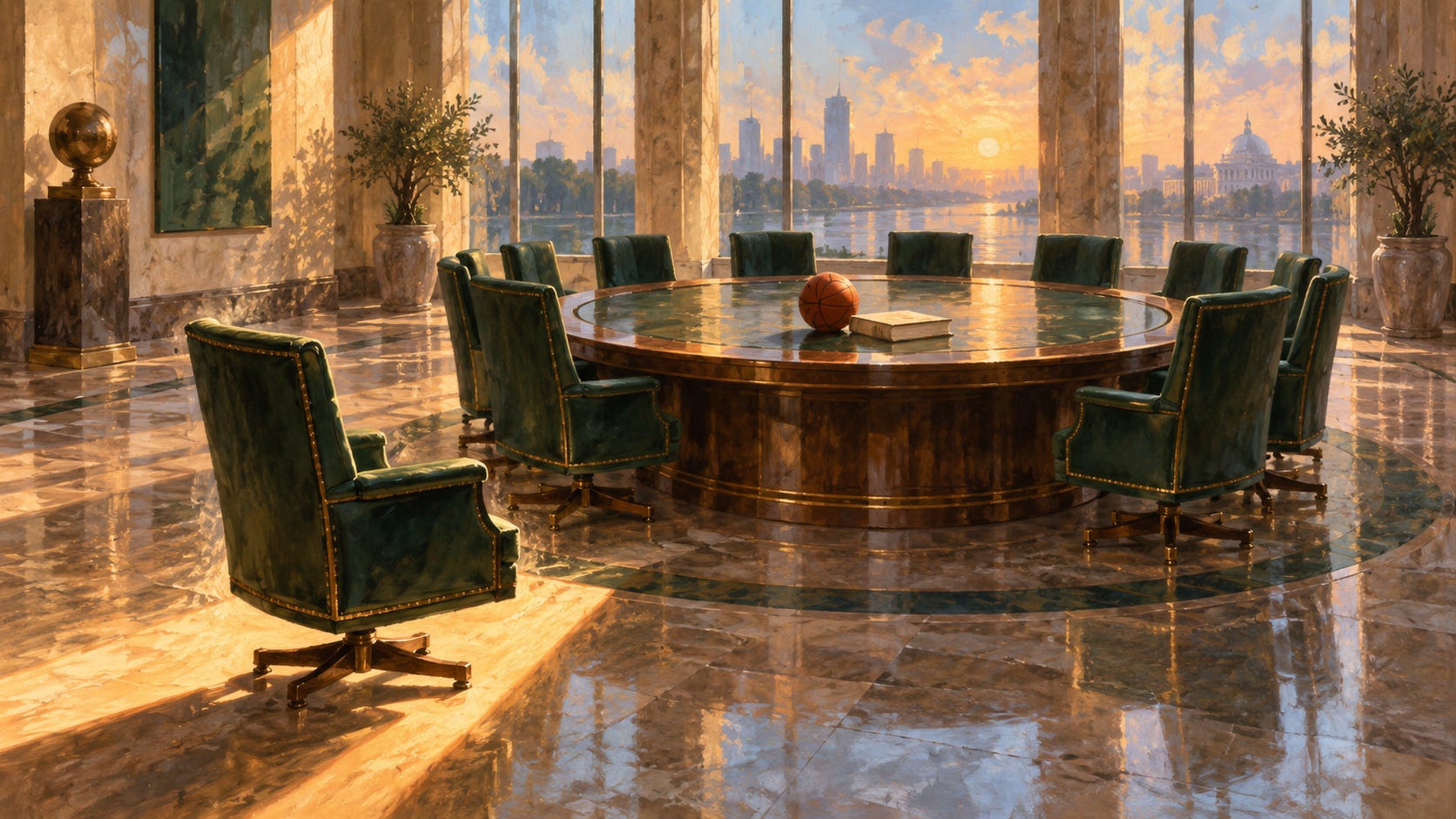
Steve Ballmer has been suspended for a year. The Clippers were fined $30 million and stripped of five future first-round draft picks after the NBA found salary cap violations involving off-court deals for Kawhi Leonard. The investigation extended beyond one sponsor, involving Aspiration, Boingo Wireless, Daktronics, and Lockton Insurance. The Clippers dispute the findings. Front Office Sports’ reporting, Associated Press’ account
Will’s interest is in what that punishment tells us about the owners’ club. A league can celebrate enormous personal wealth and still draw a hard line around how an owner uses it. Buying a team gets you into the room. It does not let you rewrite the financial arrangement everyone else depends on.
Call it billionaire solidarity, or simply the enforcement of a negotiated system. Either way, there is more at stake than one owner’s willingness to spend. Salary rules shape competition, but they also constrain what teams can pay for talent. Defending those rules protects an economic order the owners have a substantial interest in preserving.
That does not make the violations irrelevant. If teams can route compensation through outside arrangements, the rules stop meaning what they say. Competitive fairness and owner self-interest can occupy the same luxury suite.
The harder question is who lives with the consequences. A suspension has an end date. Losing years of first-round picks can shape a team’s future long after its owner returns. Players and fans inherit a punishment they did not choose.
Ballmer may have the money to imagine a different set of rules. The NBA has made clear that he still needs the room’s permission.
2. Music’s AI fight is about who gets to say yes, and who gets paid.
Sony Music Publishing and Warner Chappell are suing Anthropic over alleged copyright infringement. Separately, Jason Isbell and other musicians have sued Suno over alleged unauthorized use of their names and identities. These are overlapping fights, but they are not interchangeable. Music Business Worldwide on the publishers’ case, Reuters on the musicians’ lawsuit
Jamie brought this story, which raises a question that extends beyond copyright: who gets to authorize the use of an artist’s identity? Suno denies the allegations and says it has safeguards against misuse. Reuters
There is also a complication for anyone imagining a united music industry marching against AI: Warner Music Group previously settled its litigation with Suno and announced a partnership. That announcement described opt-in control for participating artists and songwriters over uses including their names, likenesses, voices, and compositions. Warner Music Group’s announcement
So the question cannot stop at whether an AI company has signed a licensing deal. What does that deal cover? Who agreed to it? Who gets paid? And can an artist decline without somebody else making the decision on their behalf?
Our concern is that the conversation becomes a negotiation among companies while the people whose work makes the product desirable are left waiting to learn the terms.
A listener’s attachment to an artist is built over years: the writing, the voice, the choices, the songs that arrive when you need them. Turning that relationship into something a customer can summon with a prompt raises questions that a catalog agreement alone may not answer.
These lawsuits have not settled the legal boundaries. They do make the stakes harder to ignore. An artist’s permission should be a meaningful decision, with a meaningful ability to say no.
3. Sports is cashing in before the prediction-market fight is settled.

The US Open has announced Kalshi as its official prediction-market partner. The NBA, meanwhile, is reportedly discussing agreements with several platforms. One is an announced partnership; the other is a business negotiation still in progress. US Open announcement, Front Office Sports on NBA talks
Will’s frustration is with the enthusiasm for turning another part of fandom into a financial transaction. Watch the game. Follow the players. Now take a position on the outcome.
The NBA talks are continuing despite legal uncertainty surrounding sports-event contracts. The league has also pushed for stronger integrity protections in the federal regulatory framework. That makes the picture more complicated than leagues simply ignoring the rules. They want safeguards, and they are exploring the business opportunity at the same time. Front Office Sports
There are sound reasons to restrict athletes from wagering on competitions they can influence. A player placing a bet and a league selling a sponsorship are different acts. But that distinction does not relieve leagues of responsibility for what they promote to everyone else.
When a trusted sports institution puts its name behind a market, it helps make participation feel ordinary. That endorsement deserves scrutiny even if the contract comes with an integrity policy.
Our worry is that commercial momentum starts making the decisions. Once sponsorship money becomes part of the budget and these products become part of the viewing experience, pulling back gets harder.
Sports is building a casino in the lobby. Fans are entitled to ask why every route to the game seems to lead past the counter.
4. The WNBA’s growth is real. So is what its players are owed.
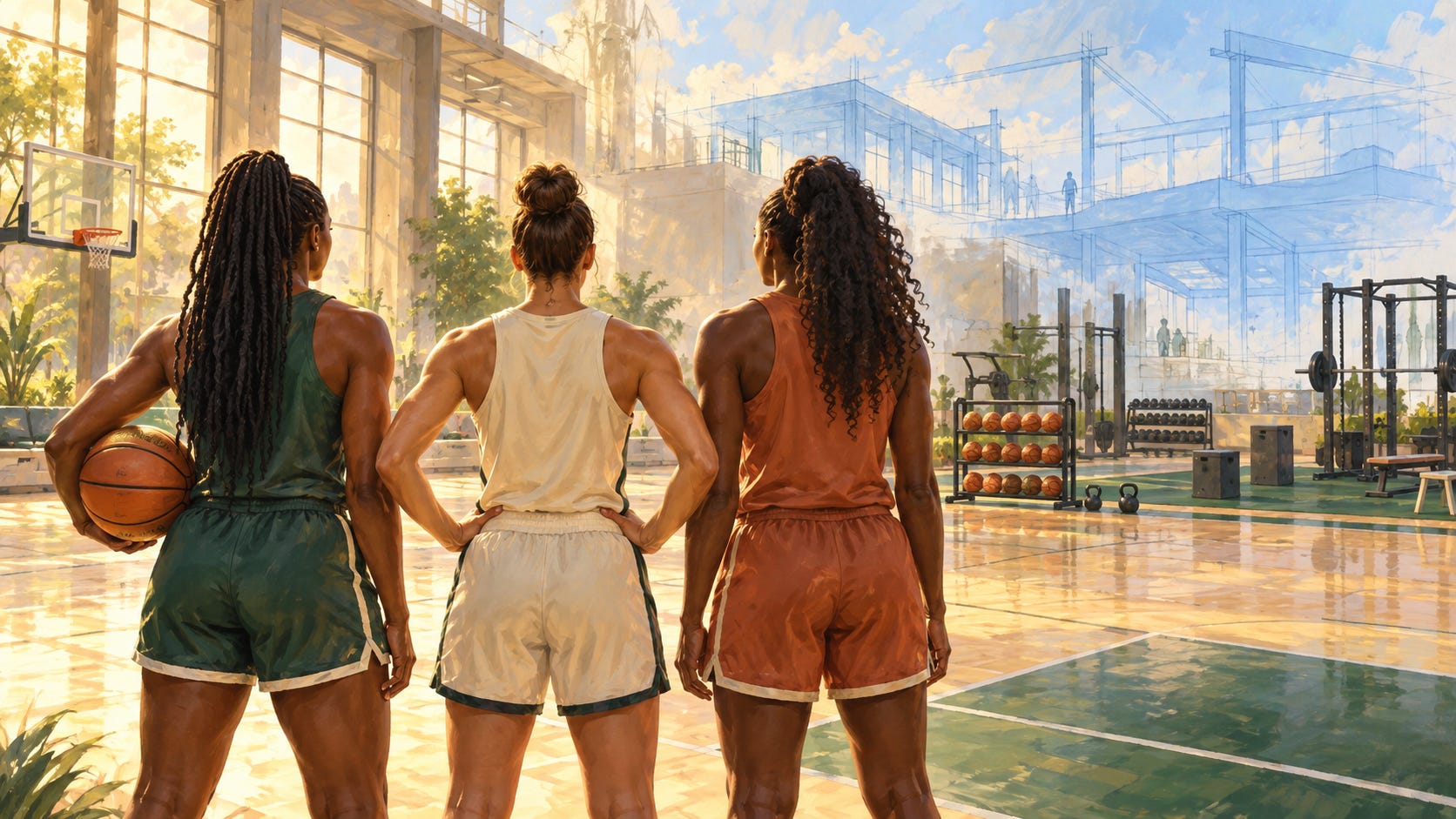
Cathy Engelbert has announced that she will retire as WNBA commissioner at the end of 2026. Her tenure brought substantial growth and visibility, alongside persistent questions about whether league leadership was listening to its players. WNBA announcement, The Guardian’s assessment
Steph sees reasons for optimism in this moment. More people care about the league, more people have expectations for it, and more people want a say in what it becomes. For those of us who love women’s basketball, that matters.
But enthusiasm should come with standards. Players deserve facilities that support their work, leadership that listens, and a meaningful share in the value they create. They should not have to keep proving that those are reasonable expectations.
Will’s question about whether a league can grow too fast is worth taking seriously. Attention can arrive faster than an organization is prepared to handle it. Money can reveal weaknesses as easily as it resolves them. Growth creates an opportunity; leadership still has to do something useful with it.
That is why we resist reading every conflict as evidence that the WNBA is falling apart. Players pressing for better conditions are expressing expectations for the league’s future. Their demands belong in the conversation about success.
We also resist the idea that harassment or political spectacle is simply the admission price for relevance. Players are there to play basketball. They should not have to spend their careers managing everyone else’s reaction to women having power.
The next chapter needs ambition that reaches beyond selling the league. Build for the people who make it worth watching.
The promise is in the growth. The test is whether the players get to share in it.
A breaking point tells you what a system can no longer contain. What happens next depends on who has the power to rebuild it, and who gets a say.
Which of these fights do you think changes the rules for everyone else? Tell us in the comments.
That’s the haul. See you next week.