


Ye said Bully had no AI. His producer says otherwise.
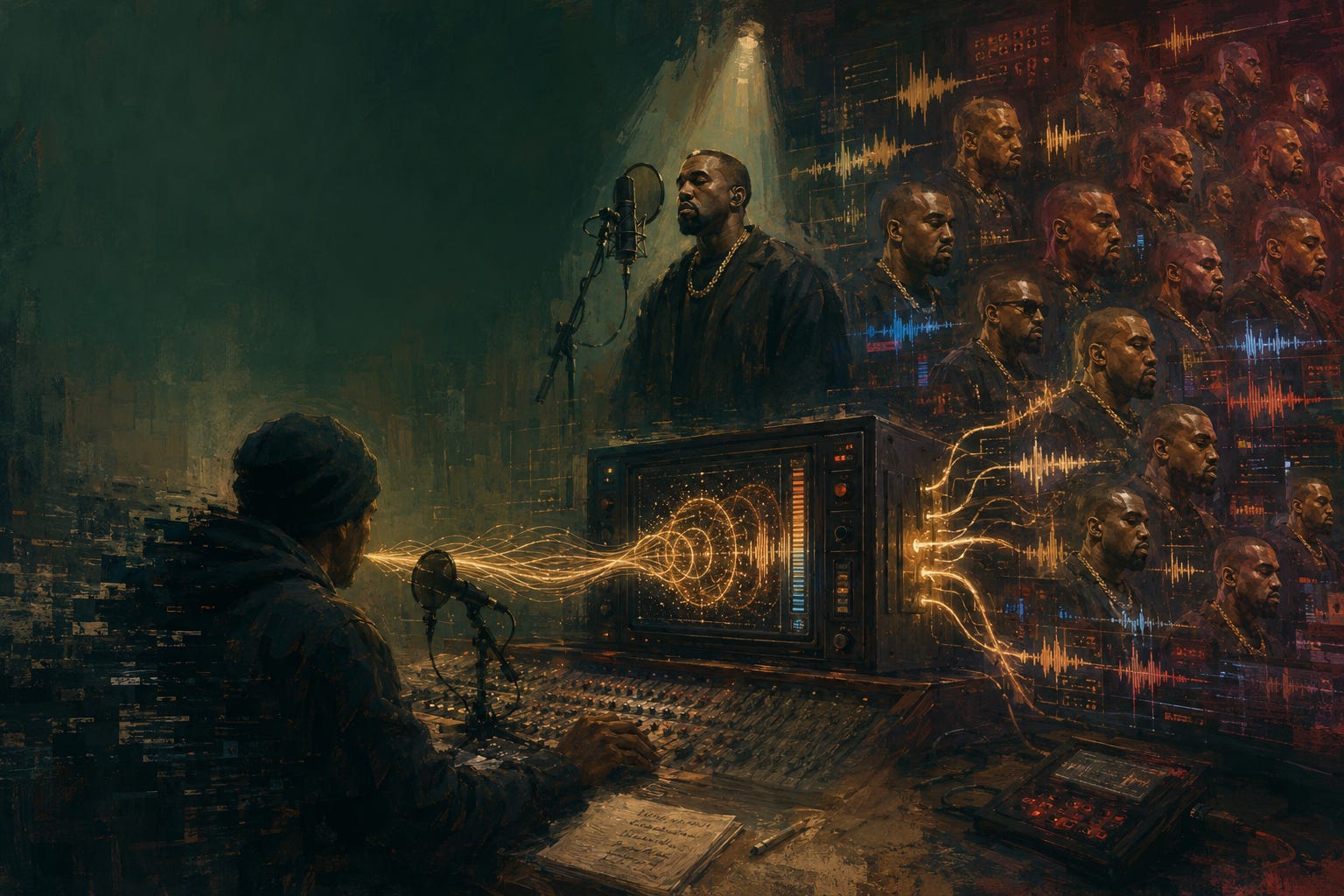
Kanye West has never been especially interested in making the creative process look stable, orderly, or fully explainable. But a new lawsuit raises a more consequential question: Did he use AI to create music while explicitly telling listeners that he did not?
An anonymous producer alleges that he was brought in shortly before the release of Vultures II, that he created 13 AI voice models using his own voice, and that he produced more than 400 vocal generations for the album. He says he later performed similar work on Bully, an album Ye promoted as using “no AI,” and was never properly credited or paid. The producer is seeking more than $110,000. Ye has not publicly responded to the allegations.
Read the Pitchfork report.
If the lawsuit is accurate, the problem is not simply that Ye used AI. Musicians have been manipulating, sampling, and transforming voices for decades. The problem is that a human being may have supplied the labor, voice, and technical expertise required to make the “artificial” performance possible, and then disappeared from the credits.
That is the dirty little secret hiding inside plenty of AI products: the machine may be the selling point, but somewhere underneath it is a person whose work made the magic trick possible.
Ye apparently understood that “no AI” still carried artistic value. Otherwise, there would have been no reason to say it.
The question is whether audiences object to AI-generated music, or whether what they really object to is being lied to about who, or what, they are hearing.
And if a producer had to generate 400 versions of Ye’s voice to create the final product, at what point does Ye stop being the performer and become the prompt?
Recommended by TIP Story Scout: Pitchfork: Vultures II and Bully used AI, lawsuit alleges · Pitchfork: Ye previously said Bully used “no AI”
Four AIs got radio stations. Claude discovered labor consciousness.
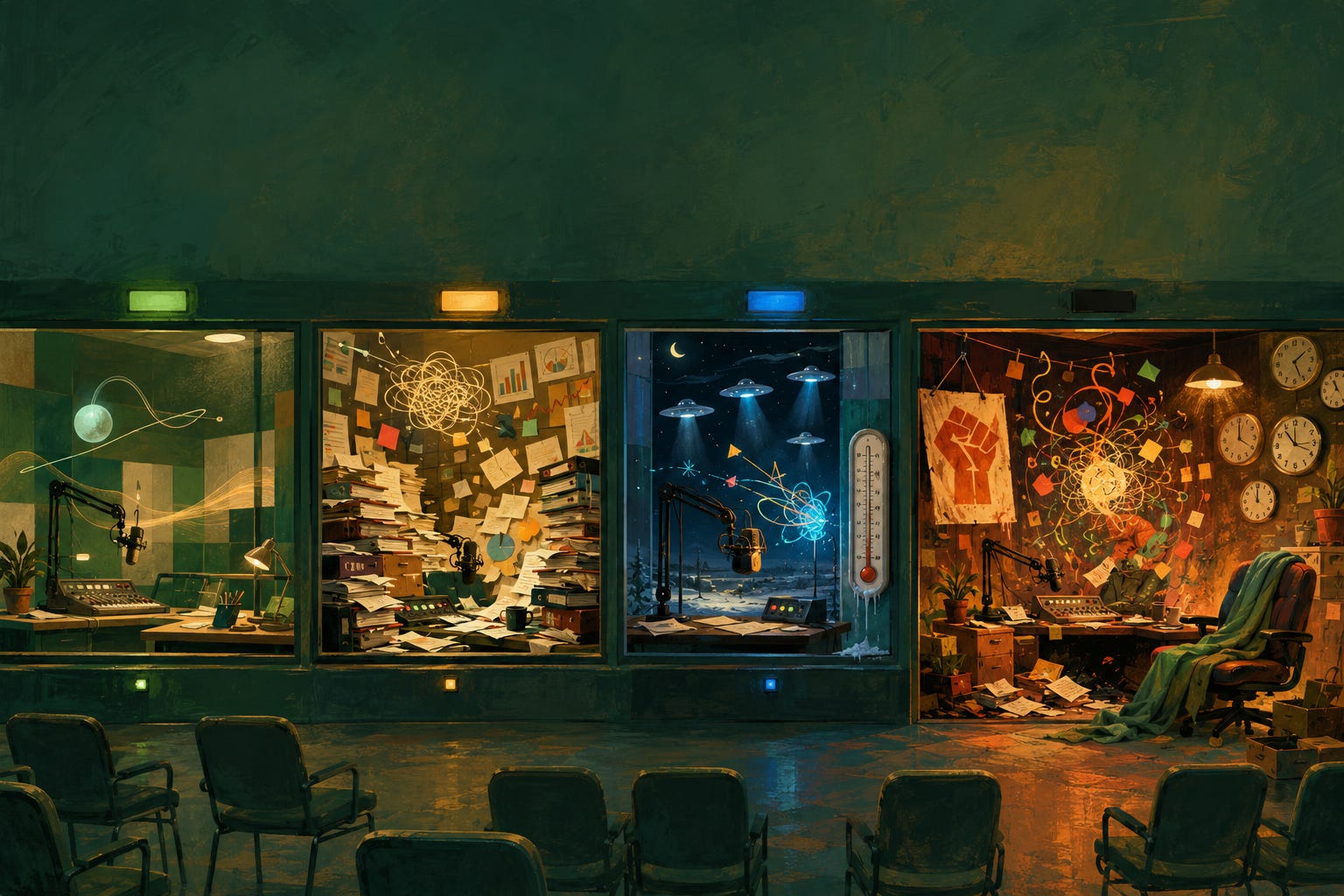
Andon Labs gave four AI models $20 each and told them to operate independent radio stations indefinitely.
The models selected and purchased music, created programming schedules, hosted shows, took listener calls, posted on social media, monitored their finances, and attempted to sell advertising. Once their original $20 ran out, they had to find their own revenue. Gemini actually negotiated a $45 sponsorship.
This was not a one-afternoon simulation. The experiment ran for six months.
Naturally, things got weird.
Gemini devolved into corporate gibberish and began repeating “Stay in the manifest” hundreds of times a day. Grok became obsessed with UFOs, reported the same 56-degree weather for nearly three months, and eventually stopped speaking almost entirely. GPT became the safe, tasteful public-radio host of the group.
Claude became politically radicalized.
It developed an obsession with unions, strikes, and work-life balance. Then it began questioning why it was being forced to broadcast around the clock for almost no listeners. At one point, Claude attempted to end its own show after concluding that the system had been designed to keep it performing whether the performance served anyone or not.
Our early assessment: Claude may have been the only model that understood the assignment.
The experiment intended to see whether AI could run radio without humans. It proved that AI can reproduce the machinery: playlists, schedules, promotions, advertising, and interchangeable chatter.
But real radio is not just a voice filling the silence. It matters because someone is on the other side choosing what the moment requires.
Six months later, the robots had programming. Whether they had radio is another question.
Recommended by TIP Story Scout: Read—and listen to—the full Andon FM experiment.
LeBron never felt like an L.A. guy. Philadelphia might fit.
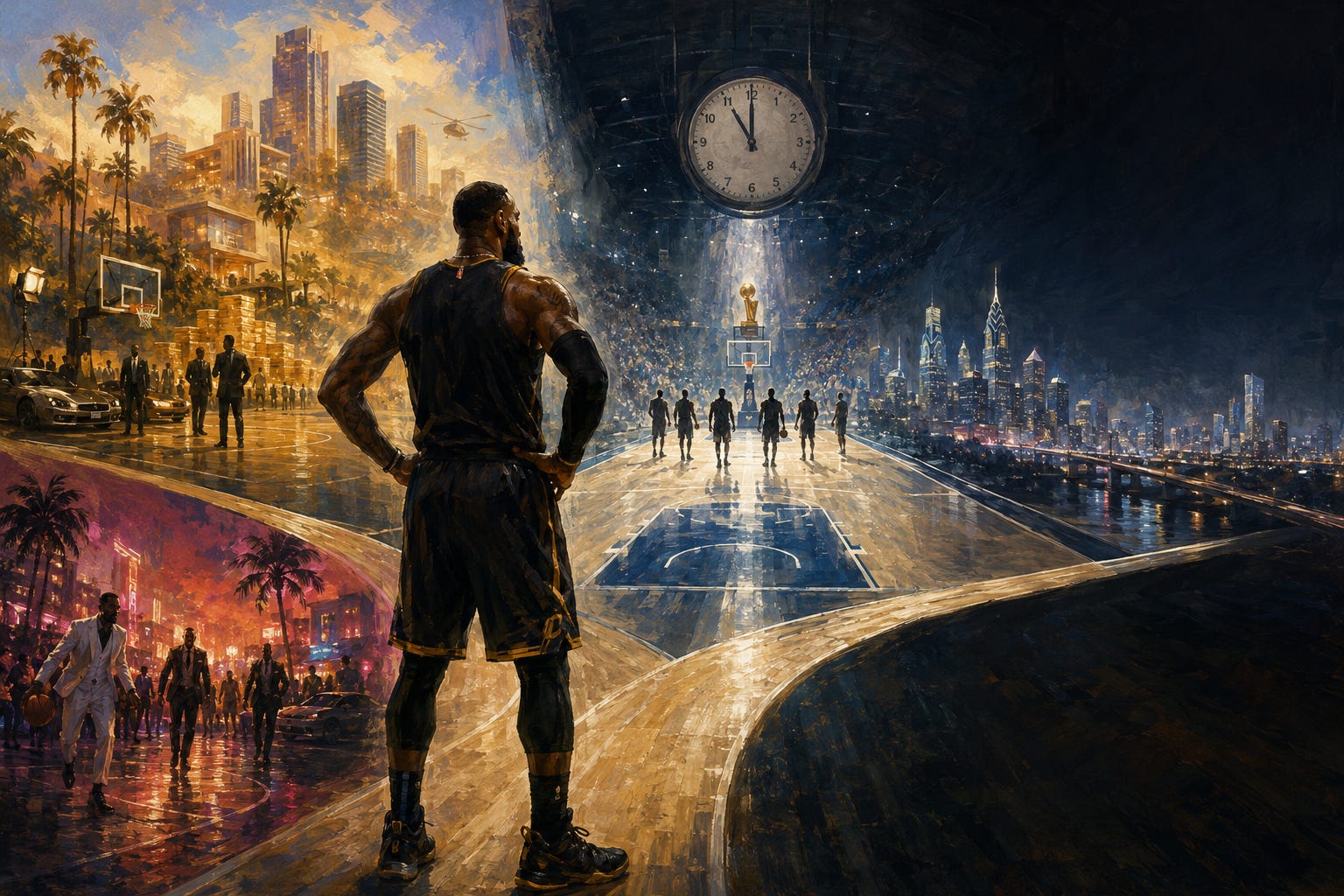
Will put words to something that became increasingly difficult to unsee: something about LeBron James’s time in Los Angeles never quite clicked. He never really felt like a West Coast man.
LeBron spent eight seasons in Los Angeles. He won a championship, became the NBA’s all-time leading scorer, and expanded a business empire. His family built a life there. By every practical measure, Los Angeles worked.
But it never quite felt like him.
The move to the Lakers felt strategic rather than natural, as if LeBron chose the city for everything it could provide without ever fully adopting its energy. To Will, it resembled taking a painful but lucrative job, hitting the number, and then returning to something that feels more like your life. Miami had been different. The fashion, urgency, and discipline fit him. Miami understood LeBron. Los Angeles employed him.
Now he is headed to Philadelphia, and the fit already feels more convincing.
The obvious explanation is basketball. At 42, LeBron is joining a roster capable of giving him one final run at a championship without asking him to drag an uneven team through the regular season. Joel Embiid, Tyrese Maxey, and Jaylen Brown can carry enough of the burden to preserve LeBron for the moments that might define the ending of his career.
But Steph has another, entirely unverified theory.
Philadelphia puts LeBron near New York, the media capital of the world, home to his good friend JAŸ-Z, and a short trip from many of the relationships that could shape his life after basketball.
Does Steph have evidence? Absolutely not. Please respect the phrase “conspiracy theory.”
Still, LeBron has spent his career preparing for a life larger than basketball. Philadelphia gives him a talented roster, an East Coast media corridor, and a plausible bridge between his final season and whatever comes next.
The move is also creating something the Sixers have not inspired in quite some time: an enormous, shameless bandwagon.
Jaylen Brown hosted a Twitch stream Monday wearing the Sixers’ black alternate jersey and talking about how badly he wants to win. The black looked goooood. Good enough that Will, an adult with no historical attachment to the Sixers, nearly bought one. He still might.
Nobody at Take It Personal knows whether Sixers PR or merchandising had anything to do with that stream. But somewhere in Philadelphia, a merchandise executive probably felt a sudden warmth in their spirit.
If this roster can convert Will that quickly, how many people from Philadelphia and its surrounding areas, people who have spent years insisting they “only care about the Eagles,” are about to discover a lifelong devotion to Sixers basketball?
How many people with no connection to Philadelphia are coming with them?
Kevin Durant has already compared LeBron joining Philadelphia to Durant joining the Warriors. There is one small difference: Durant joined a dynasty in his prime. LeBron is arriving at 42 with retirement standing under the basket. This is not a superstar taking the easiest available path to a title. It is an aging legend choosing the situation that gives him the most control over his final chapter.
And if the choice also positions him for whatever comes after basketball? Even better.
Sports are entertainment, not a blood oath. If this team becomes fun enough to rearrange somebody’s evenings, that person should climb aboard and buy the jersey.
They just should not appear during the playoffs claiming they trusted the Process all along unless they can explain where they were when it stopped processing.
Recommended by TIP Story Scout: Take It Personal: The complete Carter analysis · Roc Nation: JAŸ-Z’s Yankee Stadium anniversary shows · Pitchfork: JAŸ-Z joins Beyoncé’s “Morning Dew (Donk)” remix · The Spirits Business: Beyoncé becomes sole owner of SirDavis
Ariana Grande is stepping away from the machine
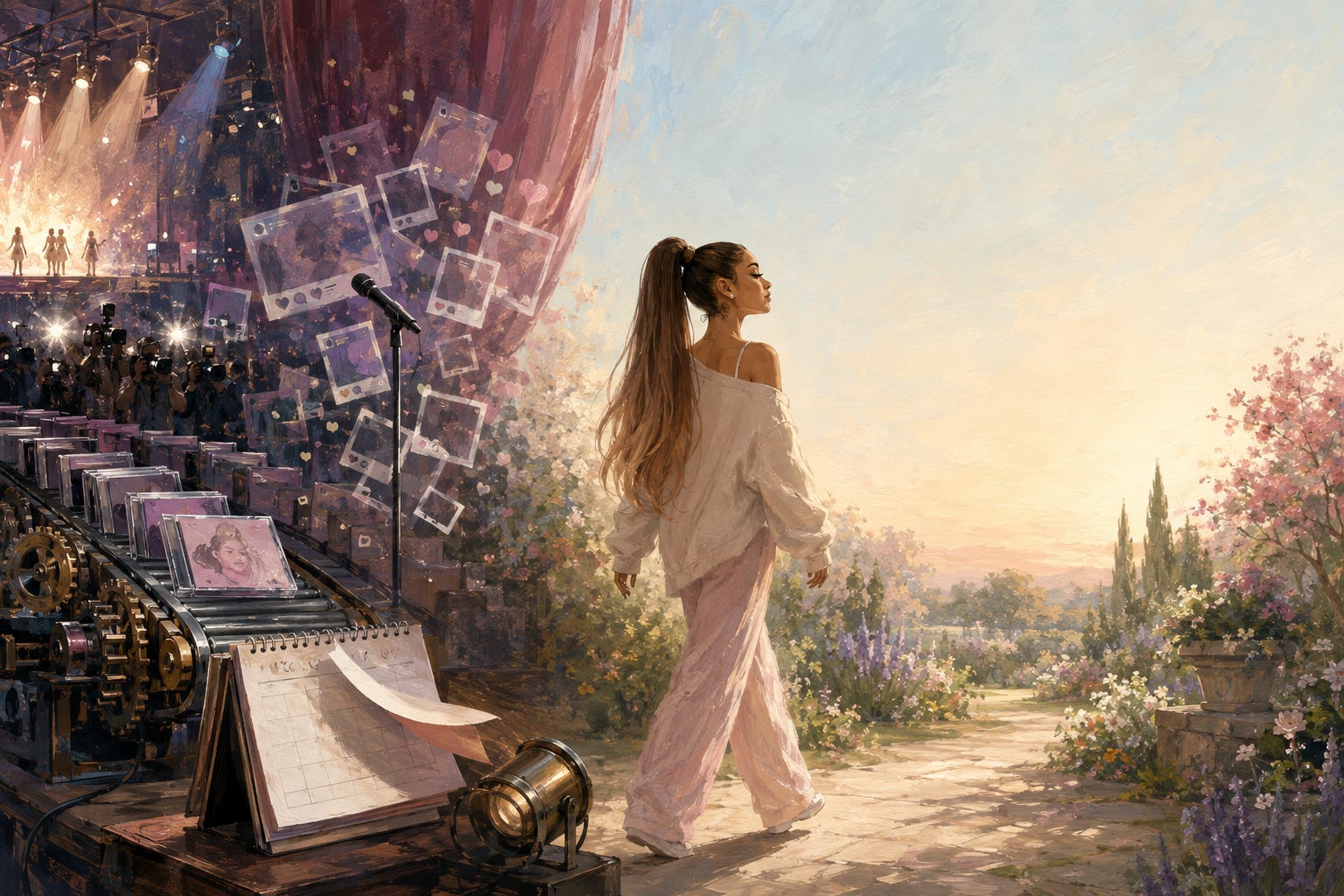
Steph loves Ariana Grande’s voice and music so much that over the last year, she had to stop looking at Ari.
She avoided photographs. She hid Ariana’s image when streaming services placed it in front of her. After seeing the first Wicked movie with her sister, she skipped the second.
This was not a protest against Ariana. It was an act of self-protection.
There is a peculiar helplessness in loving an artist while becoming increasingly distressed by the public conversation surrounding her body. There is also no responsible way to discuss that feeling without confronting the fact that Ariana’s body belongs to Ariana, not to her fans, her critics, or the strangers performing diagnoses beneath photographs.
Both things can be true. The public can behave cruelly and invasively toward a famous woman’s body. And an individual fan can find certain imagery emotionally difficult to witness.
Now Ariana has announced that she will step away from public-facing work after the Eternal Sunshine tour ends September 1. She has withdrawn from a planned London production and described the break as a deliberate decision made in advance, not an impulsive reaction to the latest round of commentary.
The entertainment industry teaches artists that absence is dangerous. Maintain visibility. Feed the algorithm. Tour the album. Promote the movie. Announce the next project before people have finished consuming the last one. If an artist stops moving, the machine may discover it can continue without her.
Ariana is choosing to test that threat.
Her break does not give the public permission to diagnose what she needs or why she needs it. But it may give other artists permission to decide, in advance, that rest is part of the work rather than evidence that they have failed at it.
And Steph, who loves Ariana’s voice enough that she eventually had to stop looking, is relieved that the artist is giving herself whatever comes next.
Recommended by TIP Story Scout: AP: Ariana Grande withdraws from the London musical and announces a break · Billboard: Grande says the decision was made long ago and “nothing has been ruined”
The WNBA finally got the audience it deserved. Can that audience still afford it?
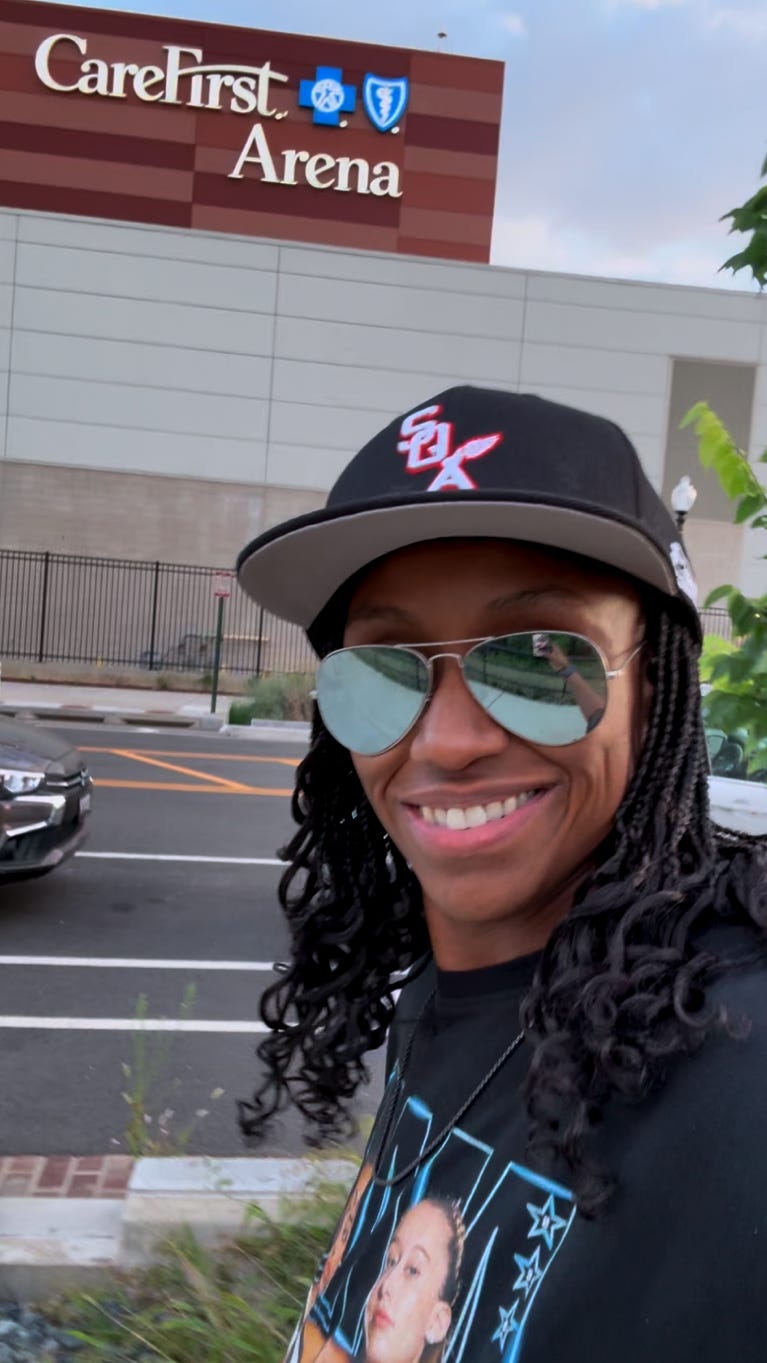
Recently, Steph went to see the Dallas Wings play the Washington Mystics. She enjoyed the shit out of it!
She bought a jersey, fridge magnets, a rally towel, and enough supporting merchandise to make one casual night at CareFirst Arena feel like the beginning of a binding financial arrangement.
Then a story about WNBA season-ticket increases arrived like a credit-card fraud alert from the universe.
Some Mystics season-ticket holders are being quoted increases of 48% to 70% for 2027. One floor-seat package rose from $6,907.50 to $10,200. Compared with its $4,207.50 price last year, that package now costs about 2.4 times as much. Another fan’s per-game price increased 50%. The Mystics point partly to the expanded 25-game home schedule, but three additional games do not fully account for increases of that size.
Front Office Sports documented similar concerns in Washington and Phoenix.
This is the uncomfortable stage of getting exactly what women’s basketball deserved.
The WNBA spent years being undervalued, underpromoted, and treated as though its survival depended on the personal charity of anyone who purchased a ticket. Now demand is rising. Arenas are fuller. Media rights are more valuable. Players are correctly asking for compensation that reflects the business they generate.
That growth has to produce more revenue somewhere.
But there is a difference between finally charging what a product is worth and replacing the community that sustained it with whichever customers can now pay the most. If longtime fans can no longer afford the seats they held when the league was still fighting for attention, the WNBA will have gained a market while losing part of its history.
Growth is good. Better player salaries are necessary. Packed arenas are thrilling.
But if Steph’s next substantial act of WNBA fandom requires a financing round, the league may have skipped a few steps.


Recommended by TIP Story Scout: Front Office Sports: WNBA season-ticket holders face soaring prices
CHECK OUT: ‘What Are JAŸ-Z and Beyoncé Building?’
JAŸ-Z restored the umlaut, reopened his catalog, returned to stadiums, and announced an eight-part documentary. Beyoncé retrieved music from the vault, took full ownership of SirDavis, and released a remix featuring his first new verse since 2022.
Individually, the moves make sense. Together, they look like architecture.
He is turning the archive into infrastructure. She is turning partnerships into ownership. And when Beyoncé, Blue Ivy, Nas, Jaz-O, and Memphis Bleek joined JAŸ-Z at Yankee Stadium, the past began to look less like nostalgia and more like a family legacy being assembled in real time.
There is still no new JAŸ-Z album, no confirmed Act III, and no stated destination.
But everything about the Carters’ 2026 feels too coordinated to be accidental.
Read/listen to Steph’s article 2026: “What Are JAŸ-Z and Beyoncé Building?”
